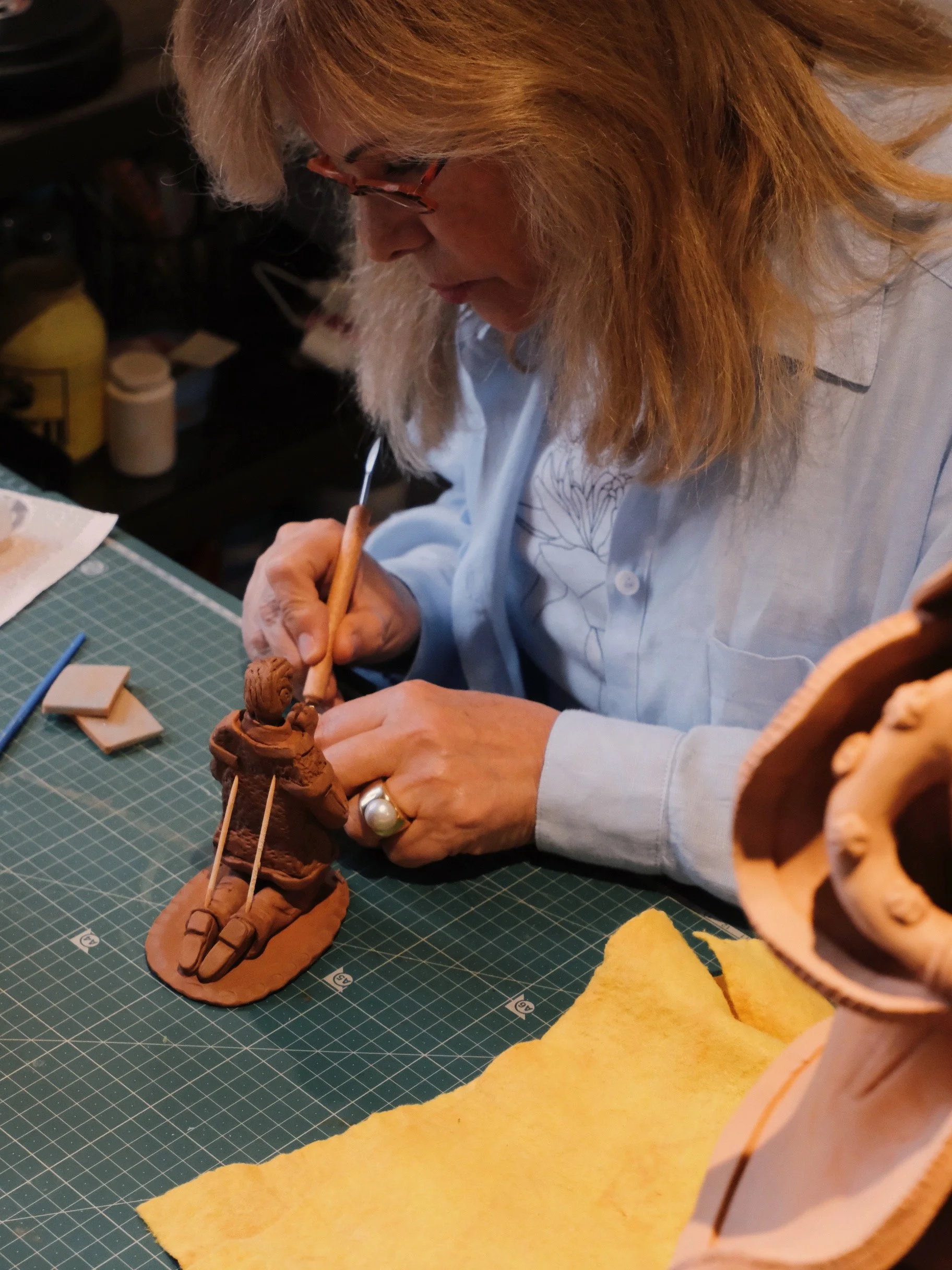
Driving up the hill towards the historic heart of Estremoz, I instantly get goosebumps. It’s a town I keep coming back to, one that speaks to me in so many ways - many of which I’m eager to share. Estremoz is one of the Alentejo’s most beautiful and historic towns, and home to one of Portugal’s most cherished traditional crafts: the Bonecos de Estremoz, recognised by UNESCO as Intangible Cultural Heritage of Humanity in 2017.
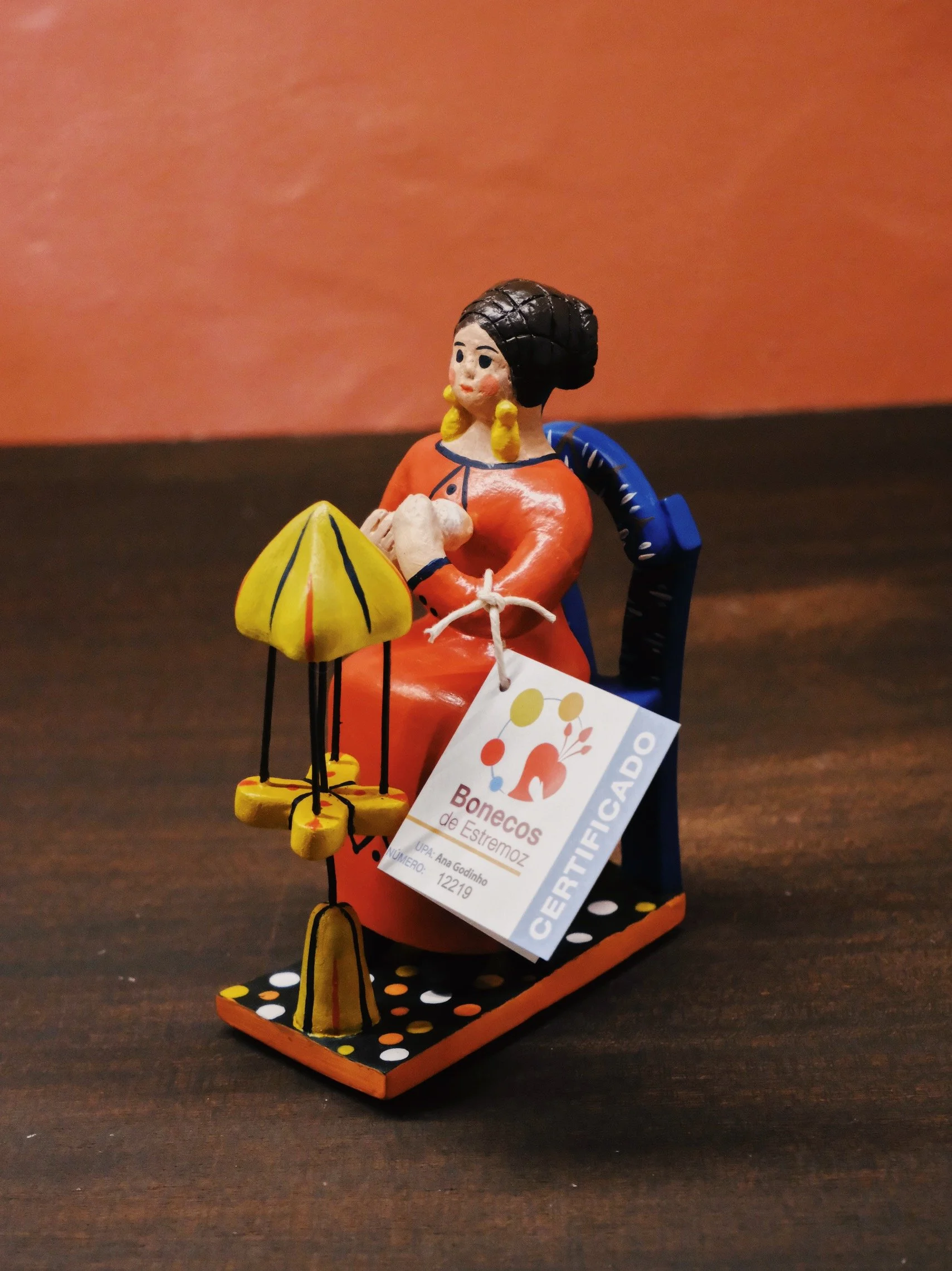
During one of my many visits to this soulful town, I noticed an old door I was immediately drawn to. There was no sign to suggest that, on the other side, I would find a lovely woman quietly working on her craft. Shyly, yet curiously, I stepped inside Ana Godinho’s atelier. She welcomed me warmly and introduced herself, showing me what she was working on at the time.
Ana, a former banker, left the fast-paced life of Lisboa behind and moved to the Alentejo with her family. She decided to pursue a course in restoration and conservation before eventually specialising in the Figurado de Estremoz. She is among the newest artisans to embrace this centuries-old craft, having officially received her certification in 2025. Isn't it wonderful to see new generations carrying these traditions forward? Every time I come across a craft that is still alive, being practised, cherished and passed down, I feel a renewed sense of hope.
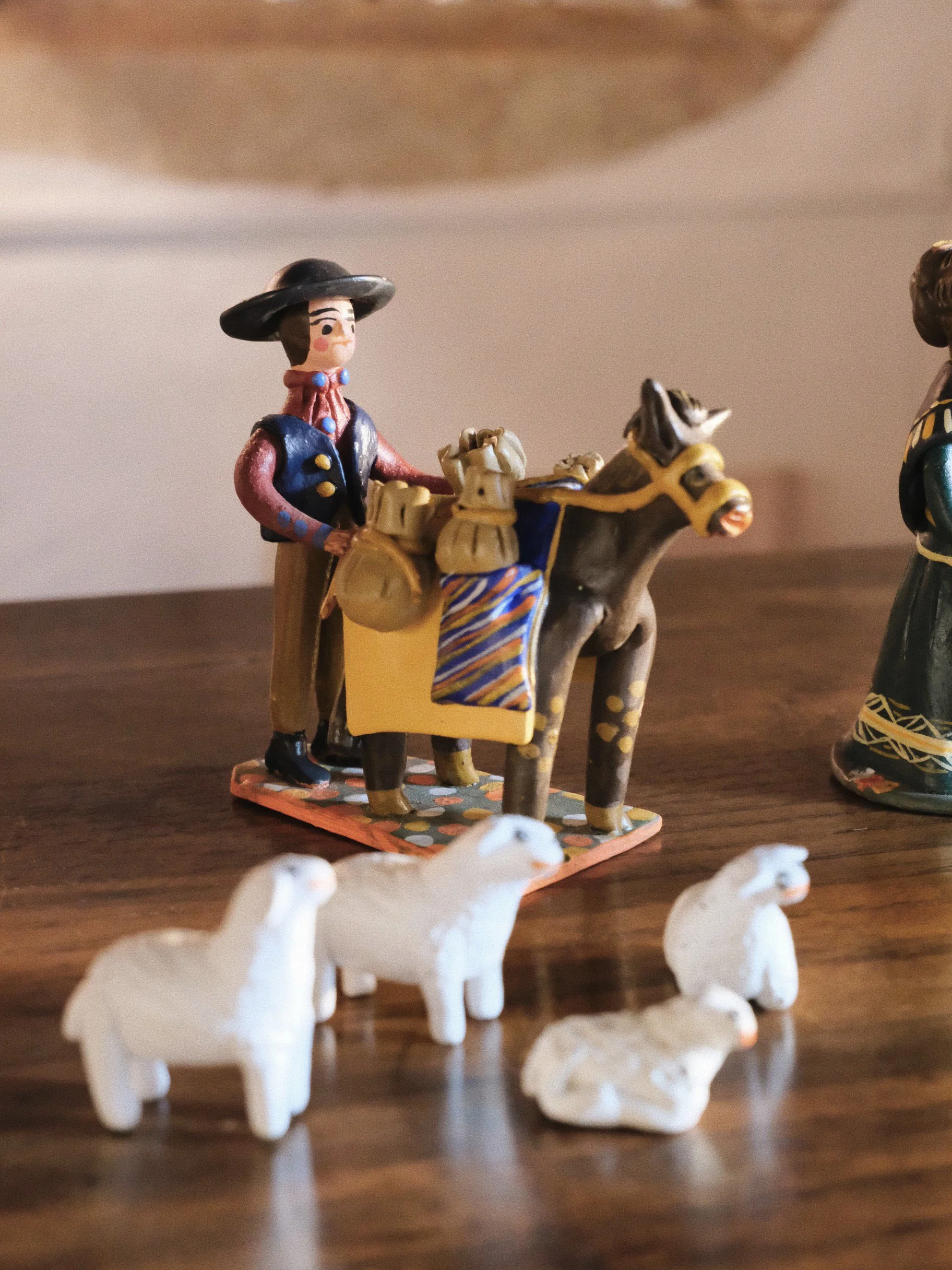
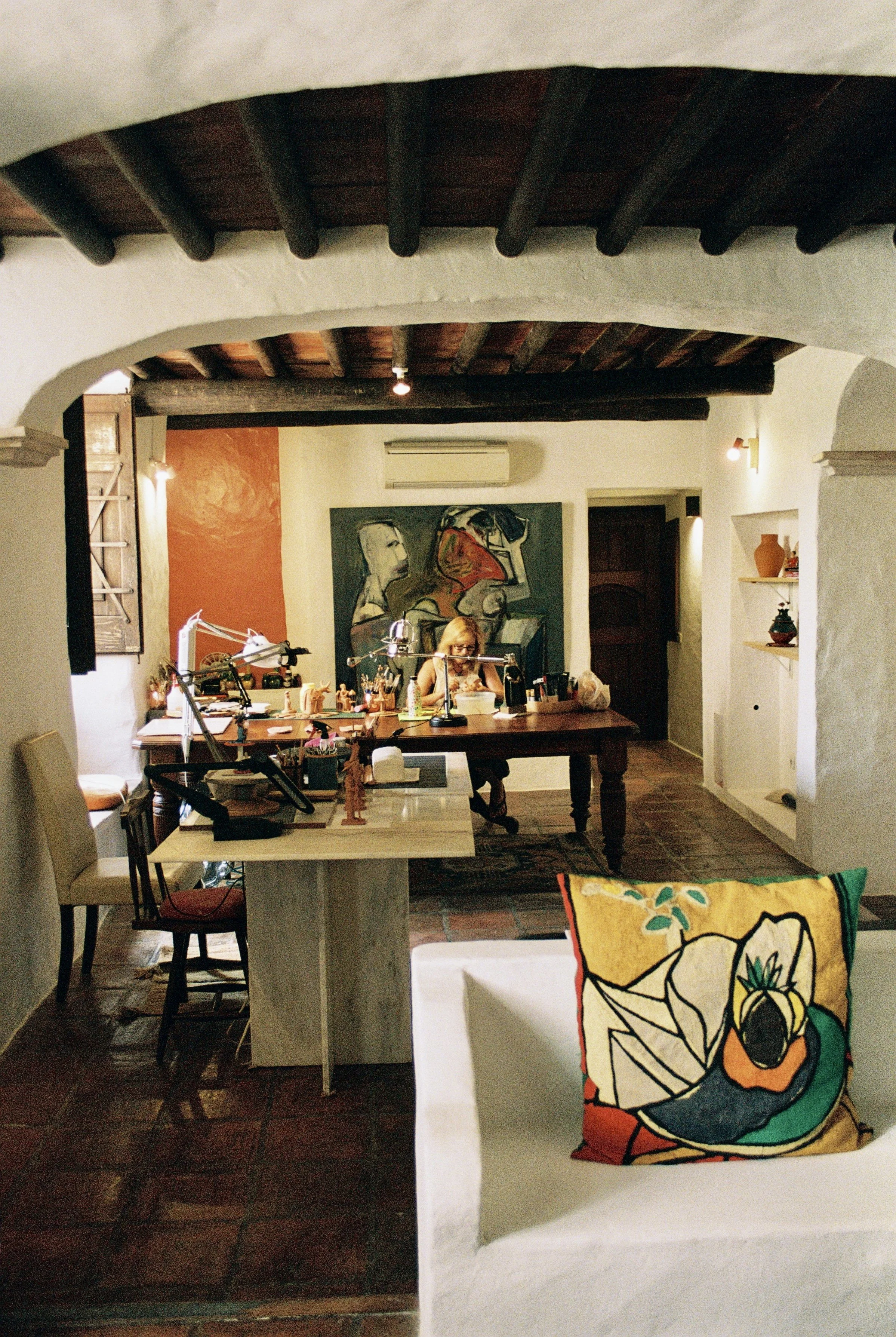
With a history spanning more than three centuries, the Bonecos de Estremoz have long been a reflection of local life: its customs, traditions, professions, clothing and beliefs. Made from red clay and hand-painted in vivid colours, these little figures tell stories of a place and its people, preserving fragments of everyday life through the hands of its artisans.
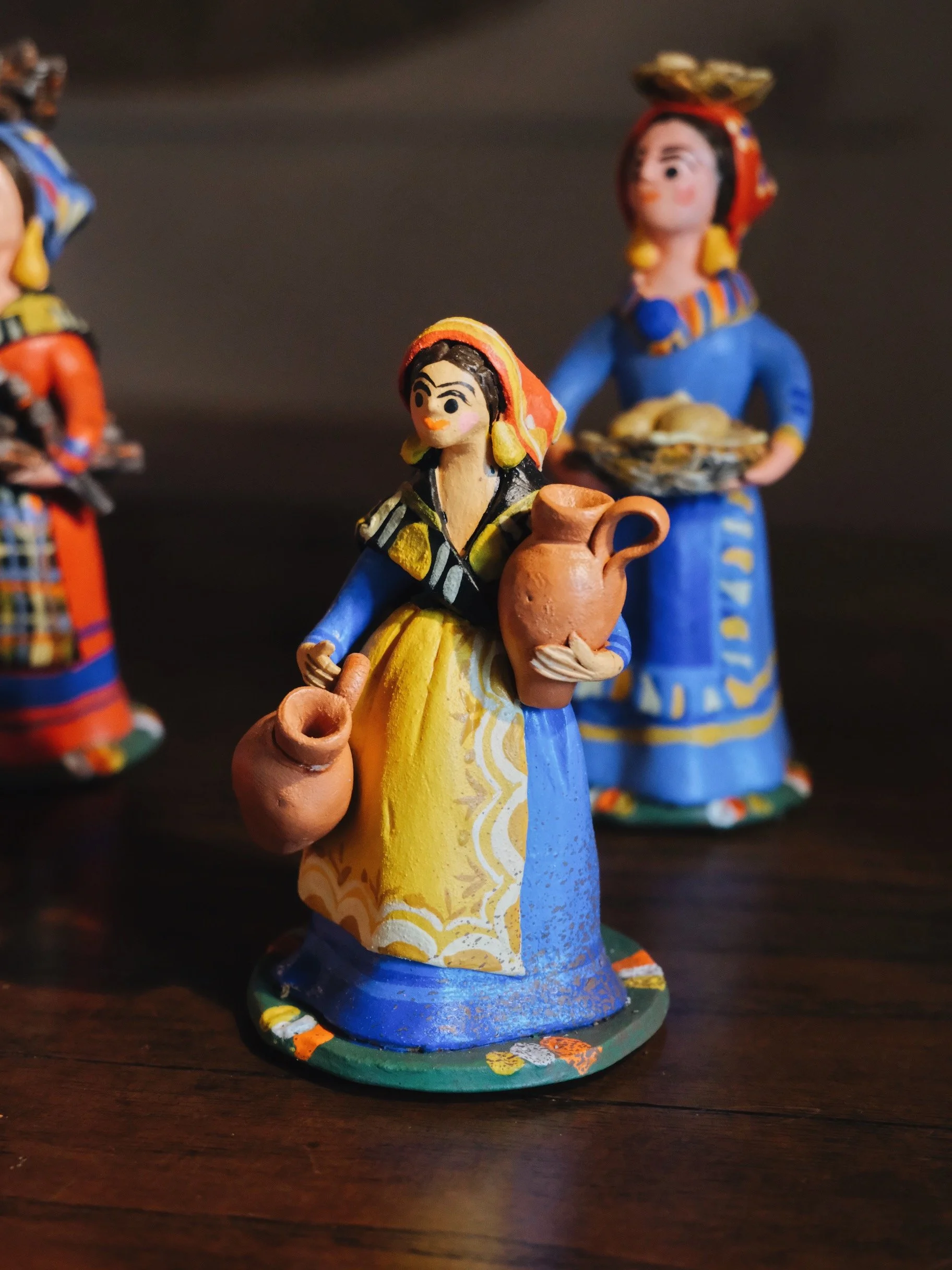
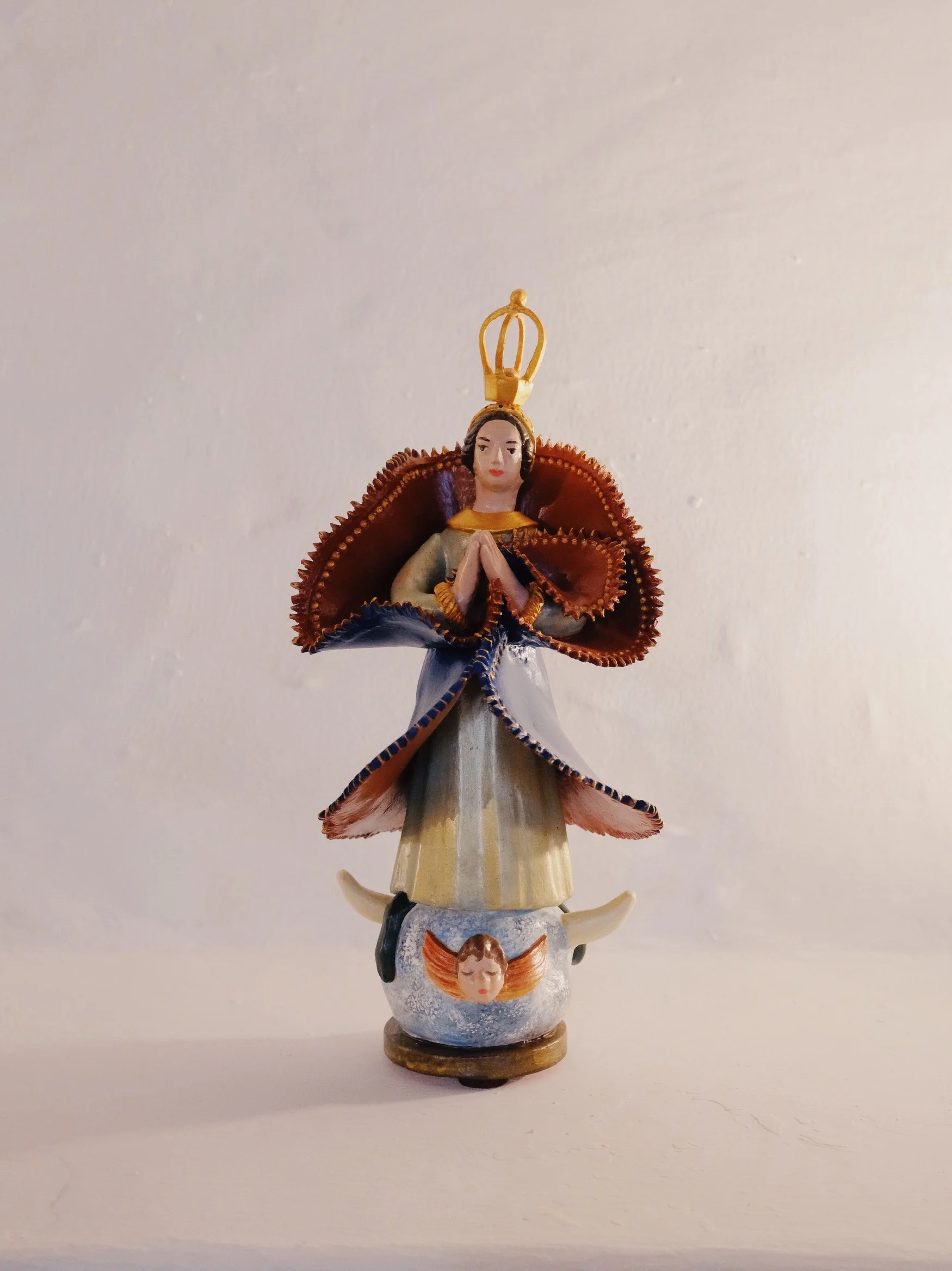
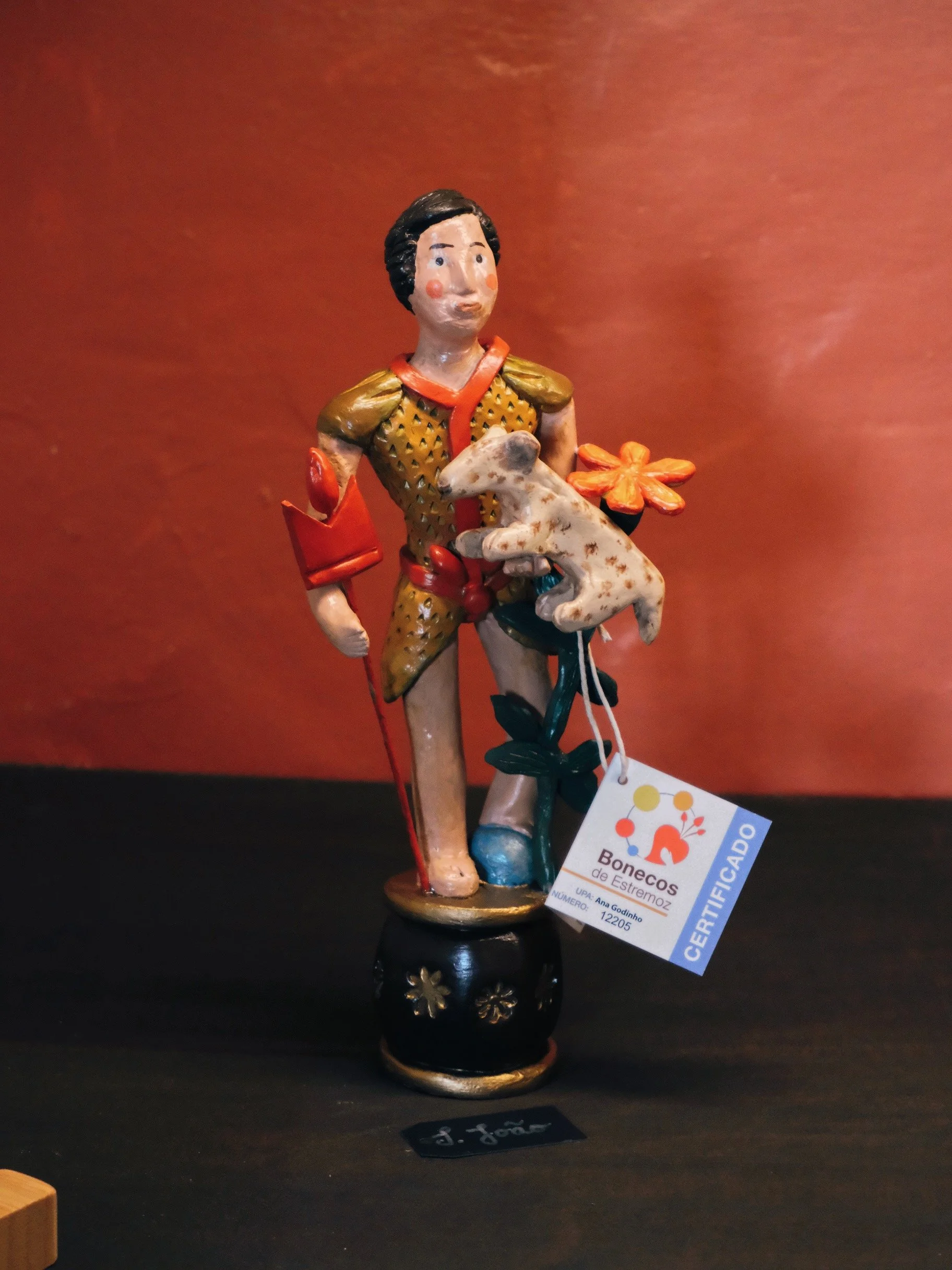
Today, a new generation of barristas - artisans who work with clay - is stepping forward, embracing the responsibility of keeping this centuries-old art alive. They are ensuring that its traditional saber-fazer (know-how) is not lost to time, but instead continues to evolve while remaining true to its identity. Ana is one of them.